As cannabis concentrates continue to evolve across Massachusetts, experienced consumers are becoming more selective about what they buy, and for good reason. With more options on the market than ever before, the difference between an average concentrate and a truly premium one often comes down to factors that go far beyond THC percentage.
For seasoned consumers, it is about flavor, consistency, extraction quality, and overall experience. Knowing how to evaluate these elements can help you get more out of every session and make more informed purchasing decisions.
At Gage Cannabis Co. in Ayer, MA, we offer a wide range of concentrate formats and brands. Here is what to look for when selecting high-quality cannabis concentrates.
Potency Isn’t Everything. What Actually Defines Quality?
It is easy to default to THC percentage when comparing concentrates, but potency alone does not tell the full story. Many experienced consumers find that a slightly lower THC product with a rich terpene profile can deliver a more enjoyable and well-rounded experience.
High-quality concentrates are typically defined by a combination of:
- Terpene content and preservation
- Extraction method
- Freshness
- Texture and consistency
When these elements come together, the result is a product that delivers strong effects while also capturing the full character of the plant.
Terpenes: The True Indicator of a Premium Experience
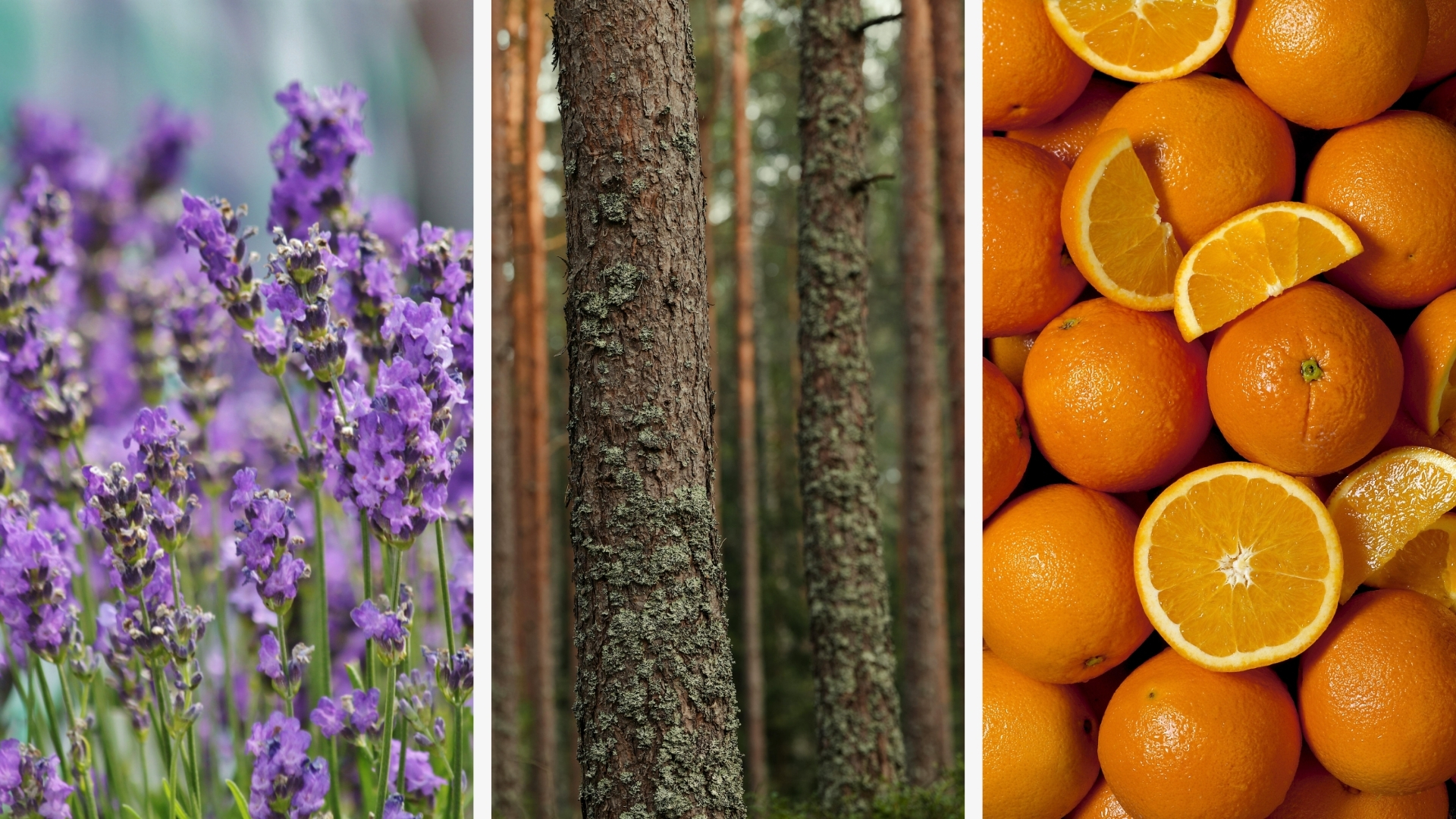
Terpenes are the aromatic compounds responsible for the distinct smell and flavor of cannabis. They also play a major role in shaping the overall experience. Whether you prefer something uplifting, relaxing, or more balanced, terpene profiles help guide those effects.
When evaluating a concentrate, pay attention to:
- Aroma intensity. A strong, distinct scent is usually a sign of terpene preservation
- Strain expression. It should reflect the cultivar it is labeled as
- Terpene percentage, especially in live products
A concentrate that smells muted may indicate terpene loss, which can lead to a less dynamic experience.
Live vs. Cured: Choosing Based on What You Value
The distinction between live and cured concentrates remains one of the most important considerations for experienced consumers.
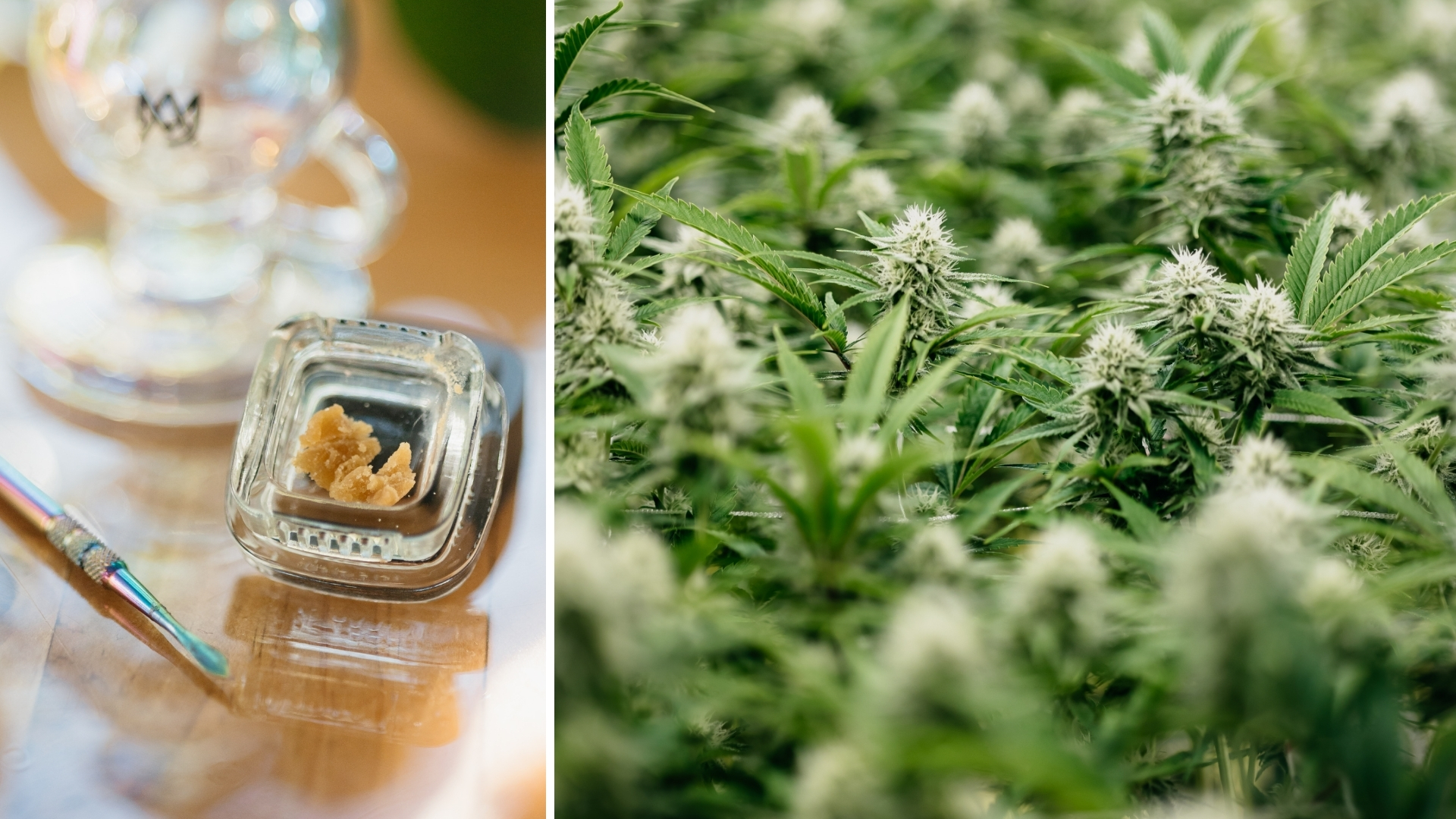
Live concentrates, including live resin and live rosin, are made from fresh frozen cannabis. This process helps preserve more of the plant’s original terpene profile and results in:
- More pronounced flavor
- Stronger aroma
- A more true-to-plant experience
Cured concentrates are made from dried and cured flower. While they may not have the same level of terpene intensity, they often provide:
- Reliable potency
- Greater affordability
- Wider availability
Many consumers keep both in rotation depending on whether they are prioritizing flavor or value.
Solventless vs. Solvent-Based: Understanding the Tradeoffs
Another major factor in concentrate selection is how the product is extracted.
Solventless concentrates, such as live rosin, are made using only heat and pressure. This method is popular among connoisseurs for its:
- Clean, full-spectrum expression
- Strong terpene preservation
- Minimal processing approach
Solvent-based concentrates, including live resin, wax, and shatter, are extracted using hydrocarbons. When done properly, this method can still produce highly flavorful and terpene-rich products.
Many experienced users approach this as a matter of preference:
- Solventless for premium, flavor-focused sessions
- Solvent-based for consistency, variety, and value
Texture, Consistency, and Visual Quality
The way a concentrate looks and feels can reveal a lot about its quality before you even try it.
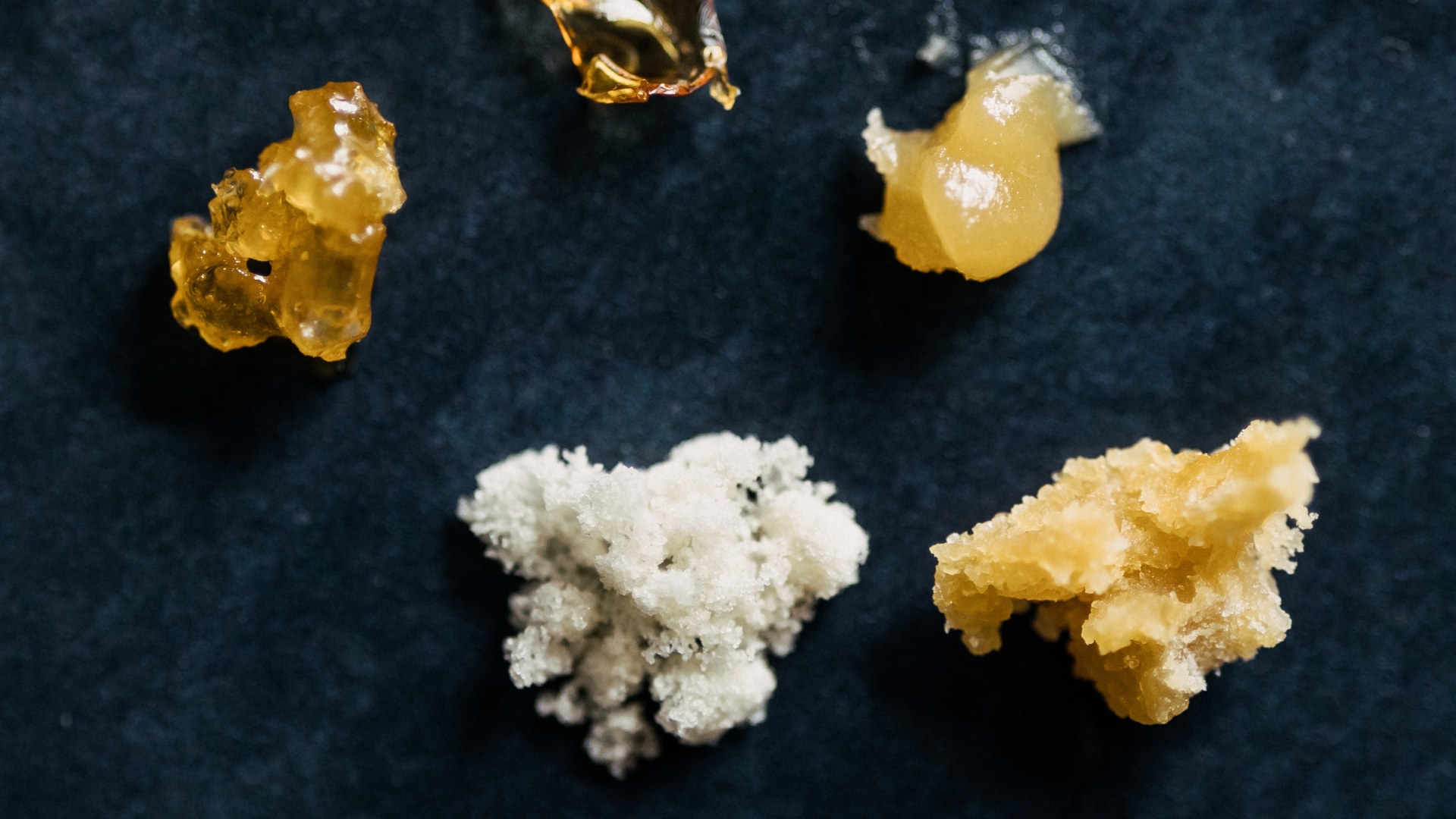
Different formats should have distinct consistencies:
- Badder or wax should be soft and creamy
- Shatter should be translucent and glass-like with a clean snap
- Rosin should appear stable with a slightly moist, terpene-rich look
Signs of a well-made product include:
- Even consistency throughout
- A fresh, appealing color, often light gold to amber depending on the type
- No excessive dryness or separation
While color alone is not always definitive, overly dark concentrates can sometimes suggest age or improper storage.
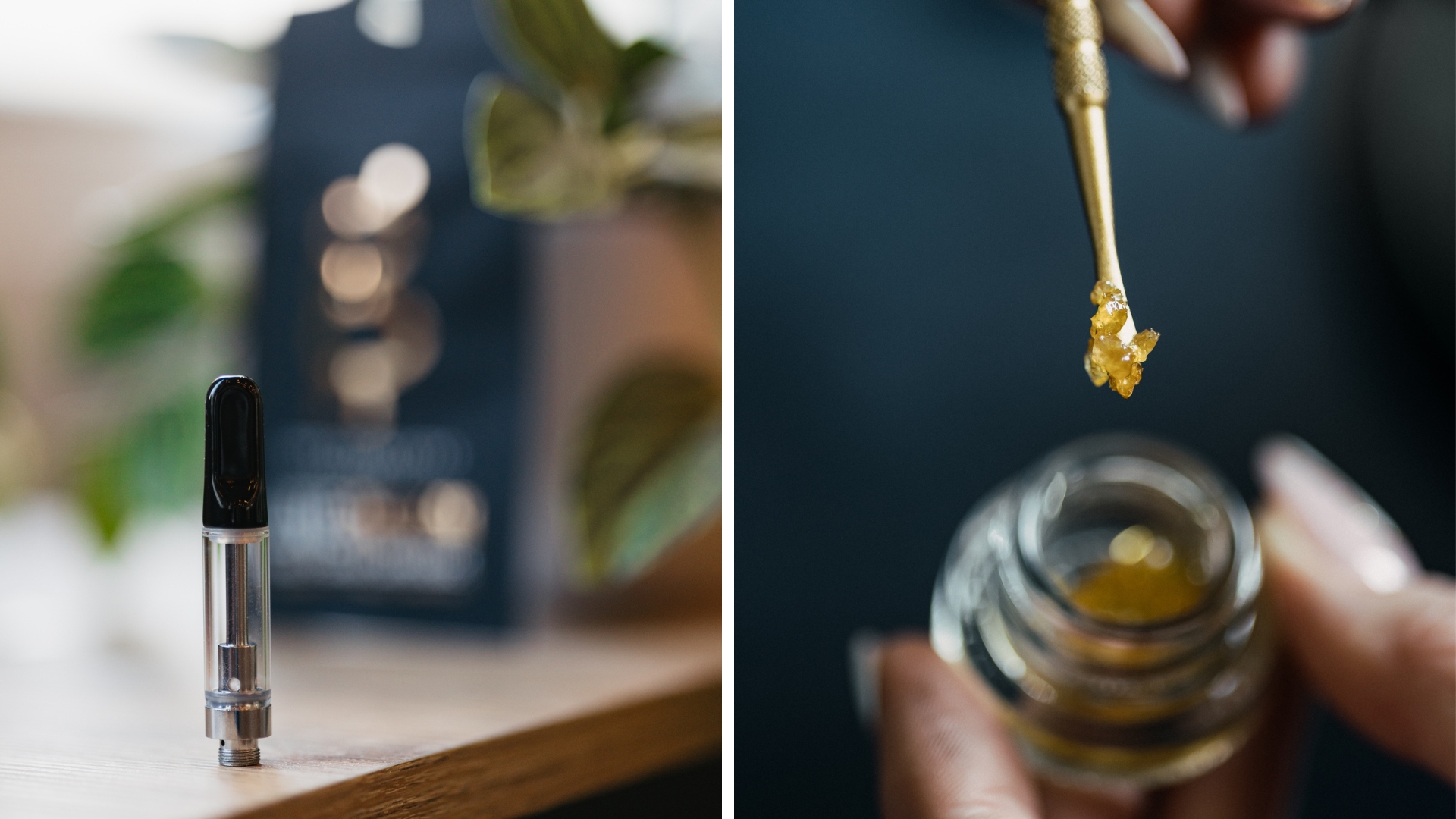
Matching Concentrates to Your Consumption Style
Concentrate users often tailor their choices based on how they prefer to consume, and the method you choose can significantly influence the overall experience.
Dabbing
Dabbing remains the preferred method for many concentrate users who prioritize maximum flavor and full-spectrum effects. By applying concentrate directly to a heated surface, dabbing allows for a more immediate and unfiltered expression of the product.
This method is ideal for those who value:
- Strong terpene expression and flavor clarity
- Immediate, potent effects
- A more traditional concentrate experience
Vape Cartridges
Vape cartridges provide a more accessible and consistent way to consume concentrates without sacrificing potency. Carts are often used for convenience, portability, and controlled dosing while still delivering strong effects.
High-quality cartridges can still offer:
- Rich terpene profiles
- Smooth, consistent draws
- Reliable potency

Shop Cannabis Concentrates at Gage Cannabis Co. in Ayer, MA
At Gage Cannabis Co., we offer a curated selection of cannabis concentrates designed to support a wide range of preferences, from terpene-rich live resin to premium solventless options. Our experienced team is here to help guide you through the selection process, whether you are comparing extraction methods, looking to dial in specific effects, or exploring new products. We take pride in providing personalized support so you can shop with confidence and find the concentrates that best fit your experience. Visit us in-store or explore our menu online at gagecannabisco.com to discover what’s available and connect with our team whenever you need guidance.